Dek: At the AWE2026 chip-industry summit, Dreame’s chip unit Xingji Chuanyue said the Tianqiong series has reached mass production and will ship in Dreame’s general robotics line.
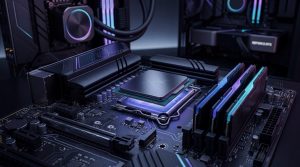
Chinese home‑robotics brand Dreame says its ecosystem chip company Xingji Chuanyue has brought the “Tianqiong” AI chip series into mass production. The announcement was made on March 11, 2026 at the AWE2026 Chip Industry Summit, according to reports from ifeng.com, Sohu, and NetEase (163.com). The company also said the chips will be used in Dreame’s general robotics product line.
What the company said
Based on the media reports, the verified points are:
- Event and timing: The claim was made at the AWE2026 Chip Industry Summit on March 11, 2026.
- Product: Xingji Chuanyue announced the “Tianqiong” AI chip series.
- Mass‑production claim: The company said the series has reached mass production.
- Deployment plan: The chips are expected to be used in Dreame’s general robotics products.
Why this matters for home robotics
Dreame is a leading consumer‑robotics brand in China. A move toward in‑house AI silicon signals a deeper push into vertical integration, which can give the company more control over performance, cost, and feature roadmaps than relying solely on general‑purpose SoCs. The broader policy push around AI hardware has been accelerating, as seen in China’s 2026 AI push for phones, PCs, and robots.
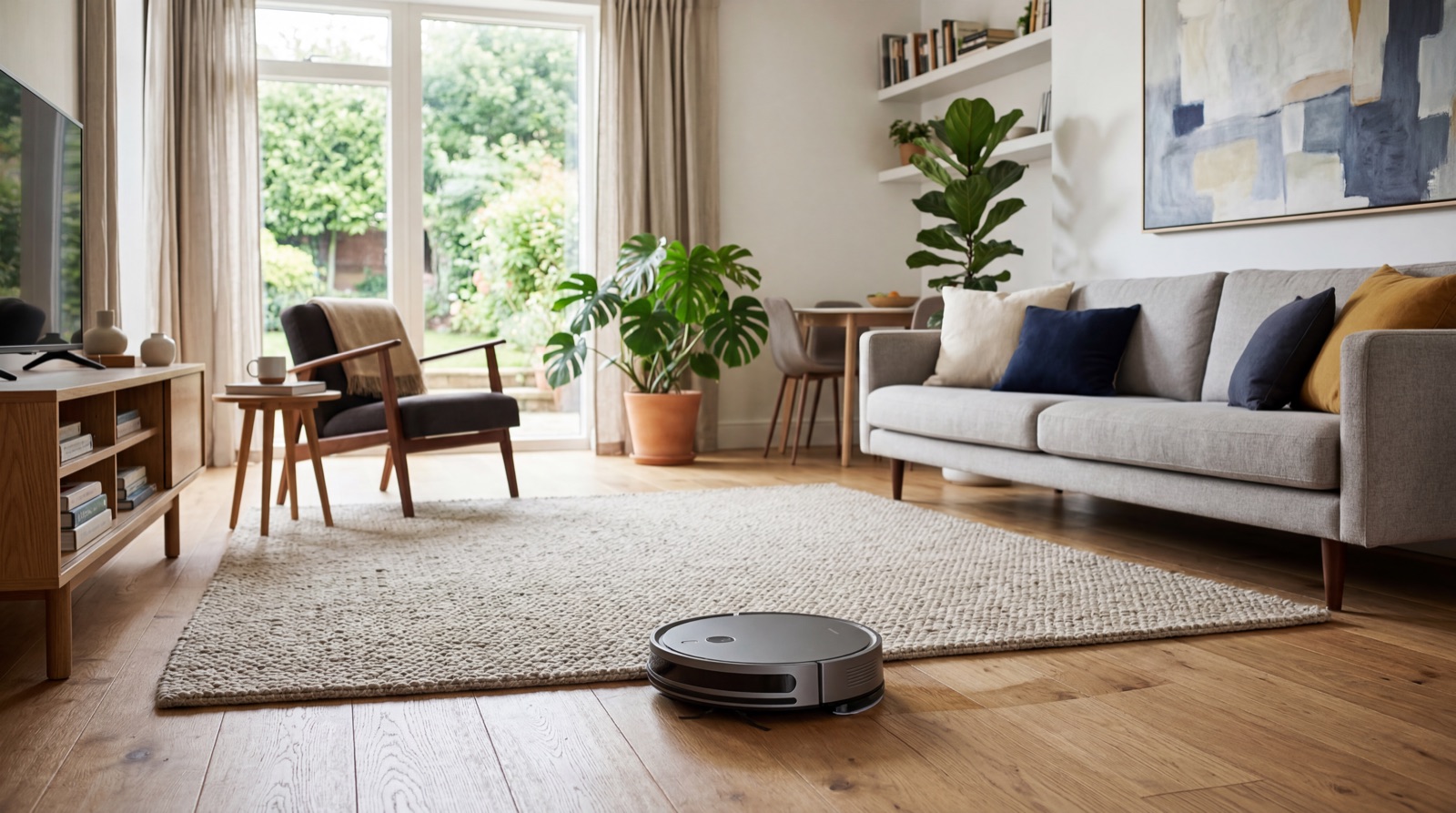
If the Tianqiong chips are indeed shipping at scale, it suggests Dreame is positioning its future robots—such as vacuum, cleaning, or service robots—around custom compute optimized for perception, navigation, and autonomy. That’s a competitive signal in a market where hardware‑software tight coupling increasingly defines product differentiation.
What’s still unclear
The coverage does not disclose:
- Technical specifications (process node, TOPS, power, or benchmarks)
- Shipment volumes or production partners
- Exact product SKUs or rollout timelines
The “mass production” statement is a company claim, and independent verification or product‑level evidence has not yet been published.
What to watch next
Key follow‑ups that will clarify whether this is a near‑term product shift or a longer‑term positioning move:
- Product launches that explicitly list Tianqiong as the onboard chip
- Performance or power details that show why a custom chip is needed
- Evidence of scale, such as multiple models shipping with the same silicon
If Dreame backs the claim with real products and measurable performance gains, it could mark a meaningful step toward custom AI silicon in consumer robotics. For another signal in the AI stack, see Huawei’s AI data platform launch and the policy-to-industry push outlined in Jiangsu’s AI commercialization drive.