AWE2026 points to an AI‑appliance inflection in China
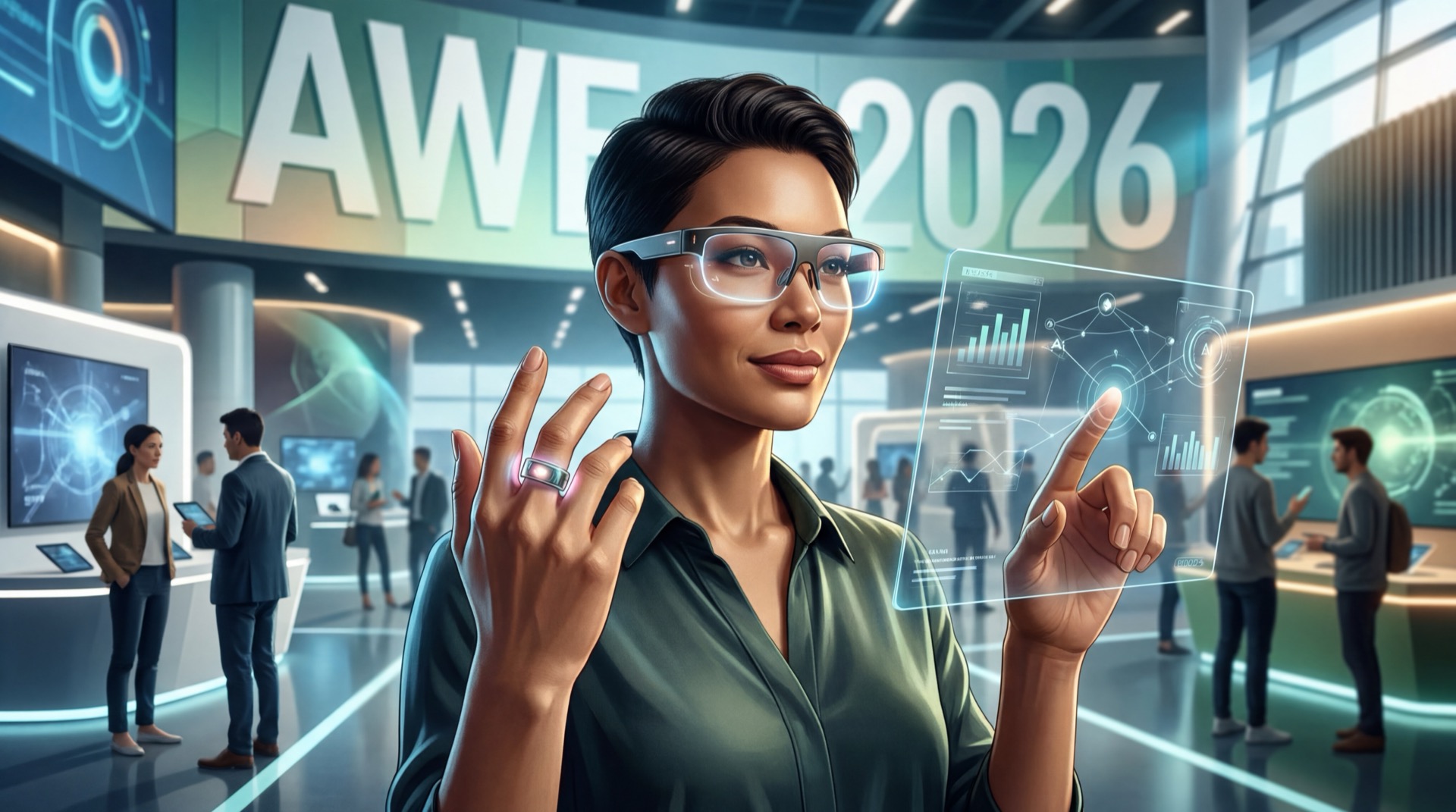
AWE2026, China’s largest appliance and consumer‑electronics expo, closed on March 15 in Shanghai. Organizers said attendance at the Shanghai New International Expo Center is expected to be more than 30% higher than the previous edition, a sign of strong industry and consumer interest as the show’s main theme shifted decisively toward “AI + appliances” and whole‑home smart living. At the same time, CCTV News reported that AI appliances in China surpassed 50% penetration in 2025, with large appliances such as TVs exceeding 70% and categories like cleaning devices and washing machines crossing 50%. Those figures suggest AI appliances have moved beyond the early‑adopter phase and into broad, mainstream adoption.
A show of scale, not just novelty
The scale of AWE2026 matters because it reflects how far AI has spread across China’s appliance market. Multiple outlets, including 36Kr and NetEase, cited the organizers’ estimate of a 30%+ increase in visitors for the Shanghai venue. AWE is not a niche tech conference; it is the industry’s annual showcase where mass‑market product lines are previewed and procurement decisions are influenced. A surge in attendance, alongside the “AI + home” theme, indicates that the next growth cycle for appliances is being defined by AI‑enabled capabilities rather than incremental cosmetic upgrades.
The penetration data marks a shift in the baseline
The CCTV News data are the clearest sign that the baseline for China’s appliance industry has changed. Penetration above 50% means AI features are now present in a majority of shipped units, not only in premium SKUs. The category breakdown is equally telling: large appliances (e.g., TVs) above 70% and cleaning devices and washing machines above 50% imply that AI is increasingly embedded in both “entertainment” and “utility” products. When penetration crosses the halfway mark, manufacturers no longer compete solely on a handful of hero products; they must upgrade entire portfolios and the underlying hardware platforms that support AI functions.
From feature marketing to core capability
AWE2026 also showcased another important shift. CCTV News reported that multiple companies used the show to unveil in‑house AI chips and variable‑frequency control chips, signaling a move toward owning more of the technology stack. This is not merely a branding strategy. Chip design and control‑chip optimization determine inference speed, energy efficiency, and the ability to run AI features locally. As AI becomes a default expectation in many appliance categories, relying purely on off‑the‑shelf components can become a competitive disadvantage in both cost and performance.
Why chip investment is becoming urgent
The chip push is also tied to China’s appliance supply chain and cost structure. AI features often demand more sensors, more compute, and tighter integration between hardware and software. The fact that AWE2026’s theme centered on AI appliances and whole‑home smart living suggests that vendors are preparing for an era where AI workloads are distributed across the home, not only in single devices. In that context, custom AI chips and control chips enable tighter coordination between devices, lower latency for real‑time tasks, and better power management — all of which matter for products that are used daily and run for years.
Whole‑home ecosystems become the competitive arena
The show’s emphasis on “AI + appliances” and whole‑home smart scenarios is another indicator of the competitive frontier. Once AI penetration exceeds 50%, the differentiation shifts from isolated features to ecosystem value: how well devices communicate, how consistent their intelligence feels across rooms, and how effectively they adapt to local household routines. AWE2026’s direction suggests Chinese manufacturers are positioning appliances not just as standalone products, but as nodes in a coordinated home system — an approach that can strengthen user lock‑in and raise switching costs.
The market dynamics behind the inflection point
China’s appliance market is large but mature, and replacement cycles are long. That makes the 50% penetration milestone especially significant: it implies that AI adoption is no longer limited to a small wave of upgrades, but is now being built into the mainstream replacement cycle. As more families replace core appliances, AI functionality becomes standard rather than optional. With large appliances already above 70% AI penetration, the remaining room for differentiation will increasingly come from software capability, chip performance, and integrated services rather than from hardware alone.
What changed — and what may happen next
AWE2026 and the CCTV data together signal a clear change: AI appliances in China have crossed into mass adoption, and the competition is moving toward in‑house chips, algorithms, and whole‑home ecosystems. The next phase is likely to bring faster rollout of proprietary AI chips, deeper integration across device lines, and more bundled “whole‑home” offerings as brands attempt to scale AI experiences beyond single products. For consumers, this could translate into AI features becoming baseline expectations across price tiers — not only in flagship models — while the real differentiation shifts to ecosystem compatibility and long‑term intelligence upgrades.
Sources
- CCTV News: https://news.cctv.com/2026/03/15/ARTIyN59wyEN6eoblmxTlNgQ260315.shtml
- IT之家: https://www.ithome.com/0/929/278.htm
- 36Kr: https://36kr.com/p/3724063199115653
- 证券时报: https://www.stcn.com/article/detail/3677598.html