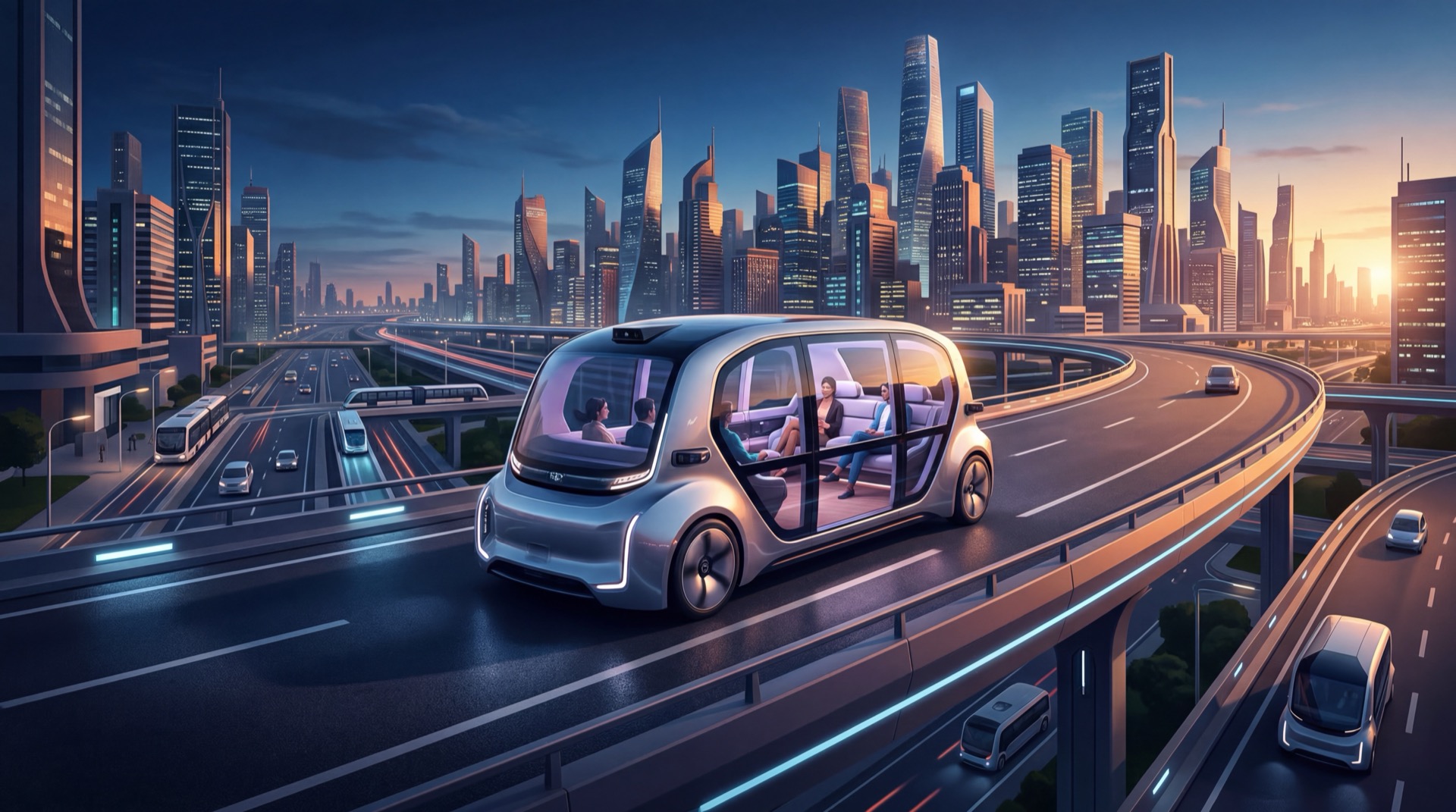
At GTC 2026 on March 17, Nvidia said Chinese automakers BYD and Geely will adopt its DRIVE Hyperion reference platform for Level 4 autonomous vehicles, joining Isuzu and Nissan. The company also introduced the Halos OS safety architecture, the Alpamayo 1.5 open model, and Omniverse NuRec to speed development, while confirming a robotaxi network with Uber that it expects to expand to 28 cities by 2028, starting Los Angeles and the San Francisco Bay Area in the first half of 2027. GTC has been a focal point for Nvidia’s roadmap this year, as highlighted in AI valuations surge as Nvidia GTC 2026 approaches. The announcement places China’s two biggest EV groups inside Nvidia’s full‑stack L4 roadmap and ties their timelines to a global commercialization push.
Nvidia’s newsroom release positions DRIVE Hyperion as a standardized L4 reference platform that bundles compute, sensors, networking, and safety into a single architecture. The same release outlines Halos OS as a safety‑focused software layer and highlights Alpamayo 1.5 and Omniverse NuRec as tools for model development and synthetic data generation. Taken together, the stack is meant to reduce the integration burden for automakers moving from driver‑assist features to L4 systems that can handle full driving tasks within defined operational domains.
Why BYD and Geely joining Hyperion matters
The Chinese angle is significant because BYD and Geely are not just large domestic brands, they are also major suppliers and technology exporters. ITHome, a Chinese tech outlet, highlighted the two automakers among Nvidia’s newly named DRIVE Hyperion partners. The Verge reported that BYD already uses Nvidia chips in existing vehicles, and Geely has deployed Nvidia’s Thor chip in its Zeekr lineup while supplying vehicles to Waymo. That existing relationship makes the move to DRIVE Hyperion a step‑up rather than a cold start, and it signals that Nvidia is positioning its platform as a long‑term backbone for China’s top EV makers as they scale higher levels of autonomy.
Robotaxi rollout timeline and market signals
Nvidia also attached a public deployment timeline to its robotaxi ambitions. According to the Nvidia release, the Uber partnership targets 28 cities by 2028, with initial service expected to begin in Los Angeles and the San Francisco Bay Area in the first half of 2027. Geely is already active in the robotaxi ecosystem, and WeRide and Geely’s Farizon plan 2,000 Robotaxi GXRs by 2026 shows how fast Chinese fleets are scaling. Public dates matter because they force both suppliers and automakers to align engineering roadmaps with regulatory approvals and fleet operations.
From a business perspective, CNBC noted that Nvidia is pitching autonomous vehicles as a major growth engine beyond its core AI chip business. The report highlighted new and expanded ties with Hyundai, Nissan, Isuzu, and China’s BYD and Geely, and quoted CEO Jensen Huang saying self‑driving has reached its “ChatGPT moment.” That framing suggests Nvidia believes the industry is crossing a threshold where data, compute, and software maturity can finally support more scaled commercial deployments, not just pilots.
Market size data underscores why those partnerships matter. Askci (China’s Zhongshang Industry Research Institute) estimates the global autonomous driving market at about $158.3 billion in 2023 and $273.8 billion in 2025, while China’s market is projected at roughly RMB 330.1 billion in 2023 and close to RMB 450 billion by 2025. For Chinese automakers, committing to an L4 reference platform now could position them to capture outsized share as that market expands, particularly if regulatory pathways and fleet operations mature over the next two years.
What changes if Hyperion becomes the default stack
Strategically, Nvidia’s move shifts the conversation from selling chips to offering a full reference stack that automakers can adopt as a de facto standard. Nvidia’s release says Hyperion bundles compute, sensors, networking, and safety and adds Halos OS, which gives BYD and Geely a ready‑made safety and tooling layer if they align with the platform. Adopting Hyperion could shorten time‑to‑market for L4 programs while embedding them deeper into Nvidia’s ecosystem for ongoing upgrades. For China’s supply chain, the choice signals that leading EV groups are still willing to partner on a U.S.‑led platform when it accelerates commercialization, even as domestic autonomy stacks continue to evolve.
What changed, and what to watch next
What changed is that Nvidia has now named China’s two most influential EV groups as Hyperion L4 partners and attached a concrete robotaxi rollout timeline to its platform. The next milestones to watch are whether BYD and Geely announce pilot fleets built on Hyperion, how quickly Uber’s first‑city deployments arrive in 2027, and whether broader regulatory approval keeps pace with Nvidia’s 2028 multi‑city target. If those pieces align, Hyperion could become a reference point for L4 commercialization rather than just a development kit.
Sources
- Nvidia Newsroom — https://nvidianews.nvidia.com/news/drive-hyperion-level-4
- ITHome — https://www.ithome.com/0/929/689.htm
- CNBC — https://www.cnbc.com/2026/03/16/nvidia-hyundai-byd-nissan-self-driving-tech.html
- The Verge — https://www.theverge.com/tech/895301/nvidia-robotaxi-byd-geely-hyperion-lyft-halos
- Askci (Zhongshang Industry Research Institute) — https://www.askci.com/news/chanye/20250619/093721275029704133714277.shtml