Lantu said on March 17, 2026 that its Taishan Ultra SUV has entered mass delivery in China at RMB 459,900, turning a heavily marketed launch into an immediate production rollout rather than another concept-heavy unveiling. Chinese media reports around the event also said the model carries an 896-line dual-optical-path, image-grade lidar setup tied to Huawei’s Qiankun ADS smart-driving system, while company executives have linked the vehicle to an L3 road-testing permit in Wuhan. Together, those details make the Taishan Ultra more than a new premium EV: it is an early production test of how quickly Chinese brands can commercialize higher-end smart-driving hardware.
Launch day was framed around delivery, not just a reveal
One of the clearest signals in this launch is that Lantu did not stop at a stage presentation. Multiple reports cited in the source brief say the Taishan Ultra began mass delivery on March 17, the same day it was formally launched, while the Black Warrior edition opened limited ordering at RMB 509,900. That matters because China’s EV market has no shortage of ambitious launch events; what often separates a marketing moment from a meaningful industry milestone is whether customers can actually take delivery. In this case, Lantu used “launch and deliver” as part of the product story, suggesting it wants the Taishan Ultra to be seen as a real production program rather than a technology showcase waiting on later execution.
The hardware pitch is about moving beyond 192-line lidar
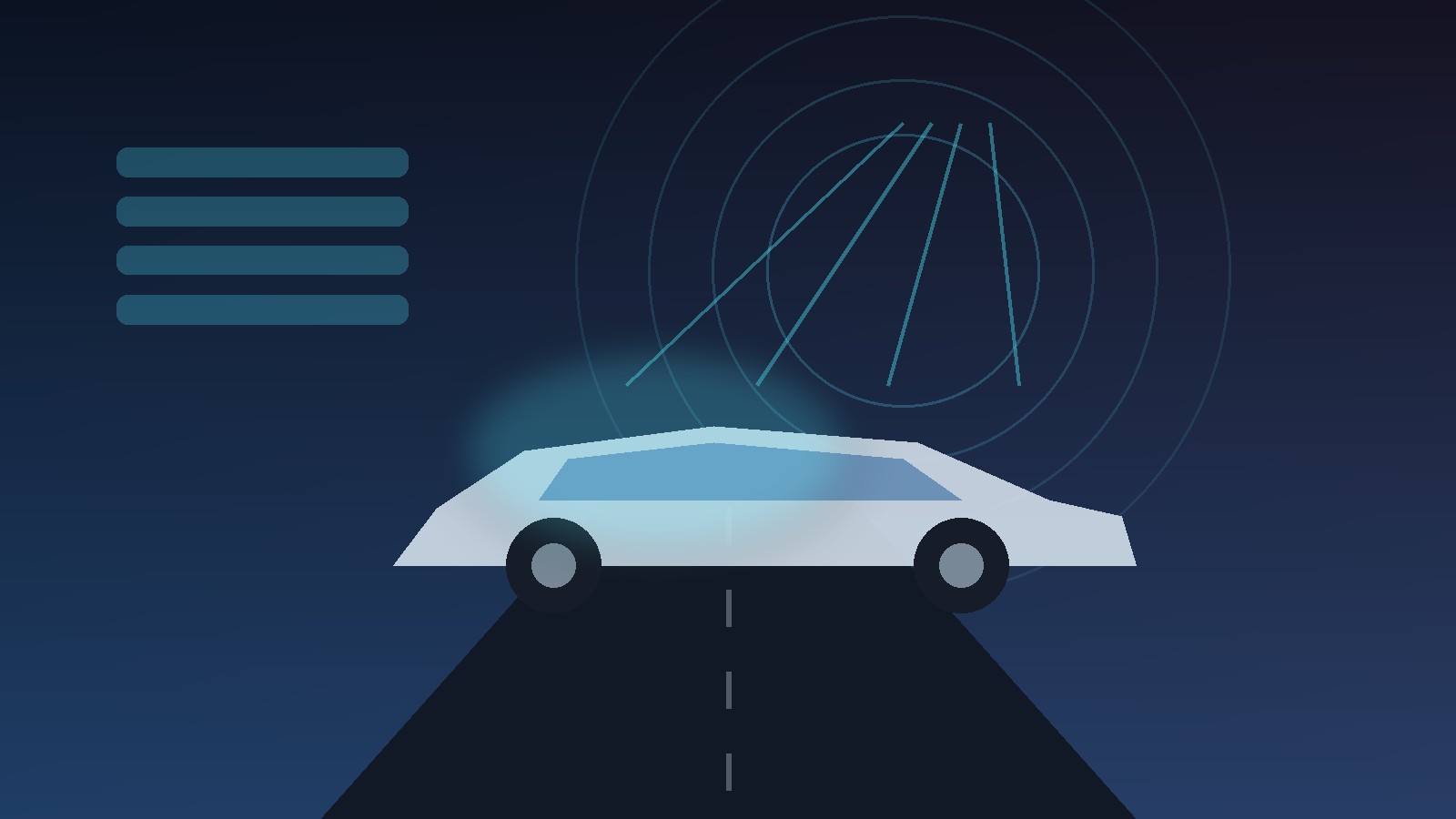
The model’s main technical hook is its 896-line lidar stack, which Lantu and covering media positioned as a meaningful upgrade from the 192-line solutions that have become more familiar in China’s smart-driving market. Reports say the Taishan Ultra pairs an 896-line dual-optical-path image-grade lidar configuration with Huawei Qiankun ADS and a broader perception package that includes four-lidar architecture elements and five millimeter-wave radars. In practical terms, the pitch is not just “more sensors,” but higher-resolution environmental perception and a more premium safety-and-automation ceiling. If that specification holds up in real road use, Lantu is effectively trying to move lidar from a premium checkbox into a sharper competitive differentiator for flagship Chinese SUVs.
The L3 permit signal is important, but it is not the same as mass L3 activation
Another reason the Taishan Ultra stands out is the repeated reference to an L3 road-testing permit. IT Home, citing comments from Lantu executive Shao Mingfeng, said the model had obtained such a permit in Wuhan. That does not mean broad consumer-facing L3 driving is already unlocked at scale, and the distinction matters: a road-testing permit is a regulatory and engineering step, not the same thing as unrestricted retail deployment. Still, it is more consequential than ordinary “smart driving” marketing language. In China’s auto sector, where the move from advanced L2 systems toward real L3 commercialization is being watched closely, the permit gives Lantu a stronger regulatory narrative than brands that are still talking only about future capability without a concrete testing credential.
Cost is still the pressure point behind the premium sensor story
The Taishan Ultra’s hardware story is impressive, but it also highlights the cost challenge behind next-generation lidar. Industry reporting cited in the source brief said an 896-line lidar unit costs about RMB 6,000, materially above a 192-line setup. That helps explain why this kind of configuration is showing up first in higher-priced vehicles rather than the mass market. At the same time, the same reporting argues that cost should continue to fall as production volume rises. In other words, Lantu’s launch is not only a product story; it is also a test of whether Chinese automakers and suppliers can absorb higher smart-driving bills of materials long enough to scale them down. If premium brands can create real shipment volume, the pricing curve for more capable lidar could change much faster than it did in earlier sensor cycles.
China’s supply chain is now large enough for these launches to matter
This launch would be less meaningful if China’s lidar supply chain were still tiny. But the backdrop described in the source brief suggests the opposite. Industry data cited by Sina Tech said Hesai delivered more than 1.6 million lidar units in 2025, a dramatic jump from much lower levels only a few years earlier. That does not mean every automaker will jump straight to 896-line systems, but it does mean the underlying supply chain is already moving from niche programs toward scaled automotive production. Against that backdrop, the Taishan Ultra looks like a useful market signal: Chinese brands are no longer only competing on batteries, range, and price. They are also competing on who can turn high-end perception hardware into a repeatable production proposition backed by local suppliers and software partners.
The timing also matters for Lantu’s broader positioning
The launch lands at a strategically useful moment for the company. Coverage in Securities Times and Guangzhou Daily’s New Flower City framed the Taishan Ultra as an important product node ahead of Lantu’s Hong Kong listing process, giving the model value beyond immediate sales. For Lantu, this is a chance to present itself not merely as another Chinese premium EV brand, but as a company capable of bringing Huawei-linked smart-driving hardware and regulatory progress into a production vehicle that customers can actually receive. That combination is important in a crowded Chinese market where “intelligence” has become a central brand battleground. Investors, suppliers, and rivals are all likely to read this launch as a statement about execution credibility, not just product ambition.
What changed, and what could happen next
What changed this week is that the conversation around 896-line lidar in China moved one step closer to deliverable reality. Instead of staying at the level of pre-launch hype, the Taishan Ultra tied together same-day delivery, premium smart-driving hardware, and an L3 road-testing narrative in a single product event. What comes next depends on three things: whether delivery volume proves steady rather than symbolic, whether regulators widen the path from road testing to broader L3 commercialization, and whether the cost of 896-line systems falls quickly enough to spread beyond the highest-price tiers. If those conditions start to align, Lantu’s launch may be remembered less as a one-model story and more as an early sign that China’s smart-driving competition—already visible in vehicles such as the Lantu Dreamer Champion Edition with Huawei ADS 4 and the Huawei-linked Aito M9’s latest lidar-focused MIIT filing—is entering a more production-driven phase.
Sources
- Sina Finance / Yangtse Evening Post — “Lantu Taishan to launch and deliver on March 17, first with 896-line four-lidar setup”
- IT Home — “Lantu executive says Taishan has obtained an L3 road-testing permit and will be the first mass-produced flagship SUV with Huawei Qiankun 896-line lidar”
- IT Home — “Lantu Taishan Ultra starts mass delivery at RMB 459,900”
- Securities Times — “Ahead of its Hong Kong listing, Lantu pushes another new product as Taishan Ultra starts mass delivery”
- Sina Tech — “896-line lidar is being installed across Chinese-branded vehicles; industry cost and shipment context”