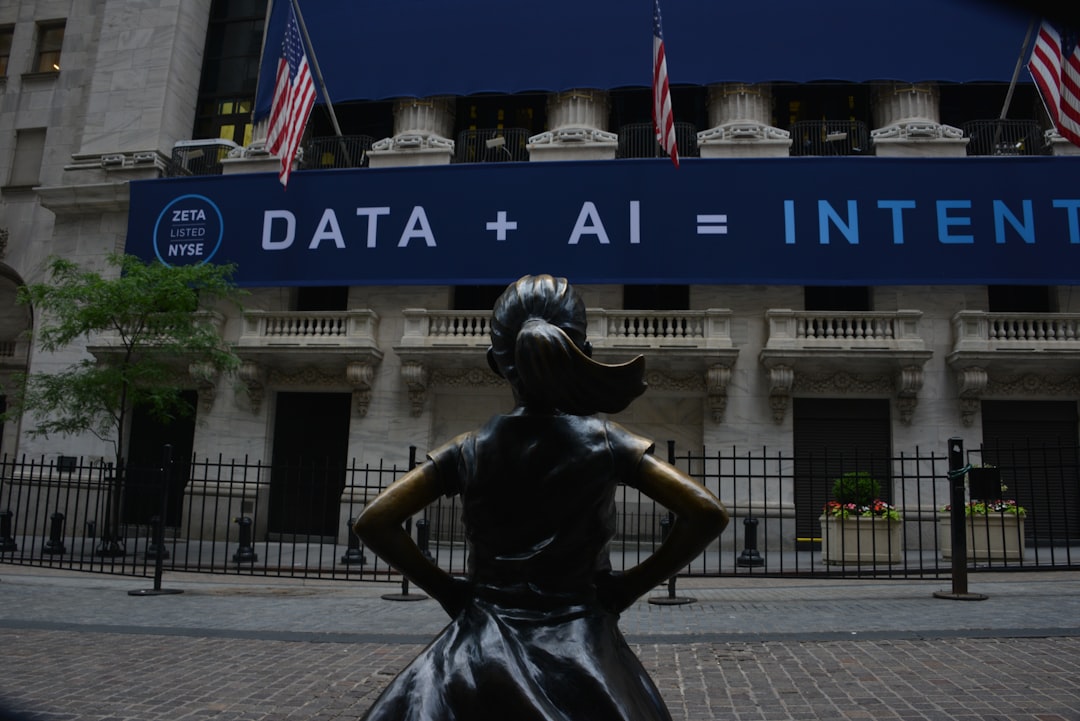
The AI agent revolution has reached a critical inflection point in 2026, with enterprise deployment accelerating at unprecedented speed while a parallel open-source economy emerges in unexpected markets. Two distinct but interconnected trends are reshaping the AI landscape: corporate America’s urgent push to operationalize AI agents at scale, and Chinese entrepreneurs’ rapid monetization of open-source AI tools like OpenClaw.
Key Takeaways
- 88% of companies now use AI in at least one business function, with nearly two-thirds experimenting with AI agents
- Enterprise data infrastructure has become the critical bottleneck for AI agent success
- Chinese developers are building profitable businesses around OpenClaw, an open-source AI automation tool
- The gap between AI hype and operational reality is driving urgent infrastructure investments
Enterprise AI Agents Hit Infrastructure Reality Check
The numbers tell a compelling story about AI’s corporate penetration. According to recent research, 88% of companies are now using AI in at least one business function, while nearly two-thirds are actively experimenting with AI agents as copilots, assistants, and autonomous task-runners. This represents a dramatic acceleration from late 2025 adoption rates.
But beneath these impressive statistics lies a more complex reality. The race to deploy agentic AI has exposed critical weaknesses in enterprise data infrastructure that many organizations weren’t prepared to address. Companies are discovering that their existing data systems—built for human-driven processes—aren’t equipped to handle the real-time, contextual demands of AI agents.
The infrastructure challenge goes beyond simple storage or processing power. AI agents require seamless access to structured and unstructured data across multiple systems, real-time decision-making capabilities, and the ability to learn from interactions while maintaining security and compliance standards.
OpenClaw’s Open-Source Opportunity Sparks Chinese Gold Rush
While Western enterprises grapple with infrastructure challenges, a different AI story is unfolding in China. Feng Qingyang, a 27-year-old Beijing-based software engineer, represents a new wave of entrepreneurs capitalizing on the OpenClaw phenomenon—an open-source AI tool that can take control of devices and automate complex tasks.
OpenClaw’s open-source nature has created an unexpected entrepreneurial ecosystem. Unlike proprietary AI tools from major tech companies, OpenClaw’s accessibility has enabled rapid experimentation and commercialization by independent developers. This mirrors the broader trend of open-source AI democratization, but with a distinctly commercial twist.
The timing couldn’t be better for entrepreneurs like Feng. As enterprises worldwide struggle with AI implementation costs and vendor lock-in, open-source alternatives are gaining traction. The OpenClaw boom in China demonstrates how open-source AI tools can create economic opportunities outside traditional tech hubs and established AI companies.
Data Infrastructure: The New AI Battleground
The enterprise AI agent surge has revealed data infrastructure as the new competitive battleground. Organizations are realizing that successful AI deployment isn’t just about choosing the right models or algorithms—it’s about building robust, scalable data foundations that can support intelligent automation.
This infrastructure imperative is driving significant investments in data governance, real-time processing capabilities, and integrated analytics platforms. Companies are moving beyond proof-of-concept AI projects to production-scale deployments, exposing gaps that weren’t apparent during smaller experiments.
| Infrastructure Component | Traditional Systems | AI Agent Requirements |
|---|---|---|
| Data Access | Batch processing, scheduled queries | Real-time, contextual retrieval |
| Decision Making | Human-driven workflows | Autonomous, rule-based automation |
| Learning Capability | Static configurations | Continuous adaptation and improvement |
| Security Model | Perimeter-based protection | Dynamic, context-aware controls |
The Convergence of Enterprise and Open-Source AI
The parallel growth of enterprise AI adoption and open-source AI entrepreneurship isn’t coincidental. As companies face mounting pressure to demonstrate AI ROI while managing costs, open-source tools like OpenClaw offer attractive alternatives to expensive proprietary solutions.
This convergence is creating new market dynamics. Enterprise buyers are increasingly evaluating open-source AI tools not just for cost savings, but for flexibility and customization capabilities that proprietary platforms often can’t match. Meanwhile, the success stories emerging from China’s OpenClaw ecosystem are providing proof points that open-source AI can generate real business value.
What This Means for Enterprise AI Strategy
The current AI landscape presents both opportunities and challenges for enterprise leaders. The high adoption rates demonstrate that AI is no longer optional—it’s becoming a competitive necessity. However, the infrastructure requirements mean that successful AI implementation demands significant upfront investment in data foundations.
Organizations should prioritize data infrastructure modernization before expanding AI agent deployments. This includes investing in real-time data processing, unified data governance, and flexible integration capabilities. The OpenClaw phenomenon also suggests that enterprises should seriously evaluate open-source AI alternatives as part of their broader AI strategy.
The Bottom Line: Infrastructure Investment Drives AI Success
As we move deeper into 2026, the AI agent revolution is entering a more mature phase where infrastructure capabilities determine success more than algorithm sophistication. The enterprises that invest in robust data foundations today will be best positioned to capitalize on the next wave of AI innovations, while those that delay infrastructure modernization risk being left behind in an increasingly AI-driven business landscape. Meanwhile, the open-source AI ecosystem continues to offer alternative paths to AI success, as demonstrated by the entrepreneurial energy surrounding tools like OpenClaw.