Westwell, a Chinese developer of autonomous commercial vehicles for ports and logistics hubs, updated its A-share IPO tutoring filing in a same-day development cited by Chinese financial media on March 7. The move is not an IPO approval or a formal listing acceptance. But it does give global readers a fresh signal that China’s industrial AI and driverless-logistics sector is maturing beyond pilot narratives and toward capital-markets preparation.
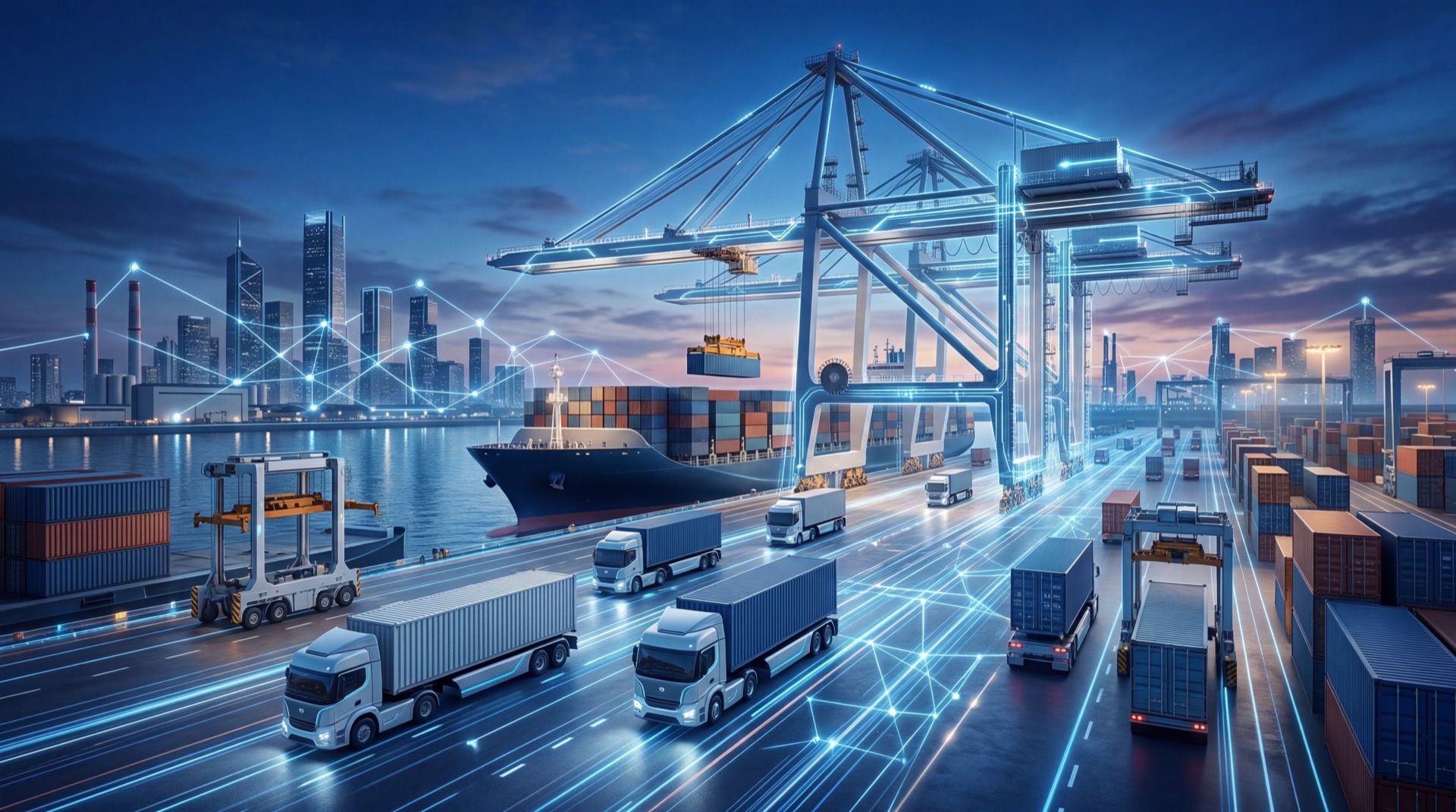
That distinction matters. Much of the global conversation around Chinese autonomy still centers on passenger EVs and robotaxis. Westwell points to a different lane: AI-enabled commercial vehicles and logistics systems built for ports, airports, factories, and freight operations.
This is an IPO tutoring update, not an IPO green light
According to reports from Eastmoney, Shanghai Securities News, Sina Finance, and DoNews, Westwell updated its A-share IPO tutoring filing in early March, with Shenwan Hongyuan Securities listed as the tutoring institution. In mainland China’s capital-markets context, an IPO tutoring filing is best understood as a pre-listing coaching and preparation stage rather than a final regulatory approval step.
That means the safest way to read the March 7 update is as a process marker, not a conclusion. It shows the company remains on an IPO-preparation path, but it does not establish a listing date, fundraising size, valuation, or approval outcome. Any stronger claim would go beyond what the cited reporting supports.
Westwell is being framed as an industrial AI and autonomous-logistics company
The filing update is more interesting than a routine finance brief because of what Westwell actually builds. Chinese media describe the company, founded in 2015, as a developer of self-developed autonomous commercial vehicles. Westwell’s own website positions it as a provider of integrated “intelligent + new energy” solutions for large-scale logistics.
That company description matters because it makes the story about applied AI infrastructure, not just capital markets. In that sense, it fits alongside Huawei’s AI data-platform push, which also highlights the infrastructure layer behind enterprise AI in China.
On its Qomolo product page, Westwell presents an autonomous-driving stack that includes Q-Pilot intelligent driving, fleet-management and scheduling systems, steer-by-wire and new-energy chassis components, simulation tools, remote-control capabilities, and digital operations functions.
In other words, Westwell is pitching a full industrial transport system rather than a single software feature. That gives the filing update broader relevance: it suggests that companies building AI-linked logistics hardware and operating systems are also inching closer to public-market readiness.
The commercialization story should stay clearly attributed
One reason the story stands out is that media coverage ties the filing update to real deployment claims. Eastmoney, citing Shanghai Securities News, says Westwell’s business already spans 30 countries and regions and serves more than 200 customers. The same report says its footprint has expanded from seaports into airports, land ports, factories, industrial parks, and warehousing.
Those details make the story more concrete, but they should remain attributed to that reporting rather than presented as independently verified facts from a primary filing. The same source also points to specific project examples, saying Westwell’s autonomous Q-Truck is expected to enter service at Yantian Port’s East Operation Area container terminal in 2026 and that Fuzhou Changle International Airport will introduce the company’s autonomous Q-Tractor.
Why this matters beyond Westwell
The bigger editorial angle is that Westwell gives a cleaner window into China’s industrial AI story than many more familiar self-driving narratives do. This is not a consumer EV launch, and it is not a general AI software startup trying to attach itself to autonomy.
That contrast is useful next to Xiaomi’s mobile-agent beta, which represents the consumer execution layer of AI, and China’s latest AI-device policy push, which frames commercialization at the national level. Westwell sits in a different but increasingly important category: industrial AI, driverless commercial vehicles, and logistics decarbonization in controlled operating environments.
That mix matters because deployment can be measured through real operating scenarios such as container terminals, airports, and freight yards rather than only through demos or consumer features. For capital-markets watchers, the filing update suggests that at least some companies in this segment see enough commercial traction to keep moving through China’s pre-listing pipeline.
Related reading
- How Huawei’s AI data-platform push reflects the infrastructure layer behind enterprise AI in China
- Why Xiaomi’s mobile-agent beta matters for the shift from AI chat to AI execution
- What China’s latest AI-device policy signals say about commercialization beyond foundation models
What global readers should watch next
The next thing to watch is not whether Westwell immediately goes public. It is whether more Chinese companies in industrial AI and autonomous logistics begin showing the same pattern: commercial deployment first, then a more visible move into formal capital-markets preparation.
That would matter because it would mark a broader change in how China’s AI story is told. For years, the most exportable narratives have centered on internet platforms, foundation models, consumer hardware, and robotaxis. Westwell points to another narrative with real global relevance: AI systems built to move containers, trailers, and freight in controlled industrial settings.
Bottom line
Westwell’s updated A-share IPO tutoring filing is worth watching because it connects a capital-markets signal to a grounded industrial-AI use case. The company is being framed around autonomous commercial vehicles and AI-enabled logistics systems, not around consumer self-driving hype.
The most accurate conclusion is a modest one: Westwell has taken another visible step in IPO preparation, and that step offers a fresh same-day marker for how China’s industrial AI and driverless logistics sector is moving from deployment toward market readiness.