Xiaomi Sets March 19 Launch for Next-Gen SU7, Highlighting 902 km Range and High‑Voltage Platform
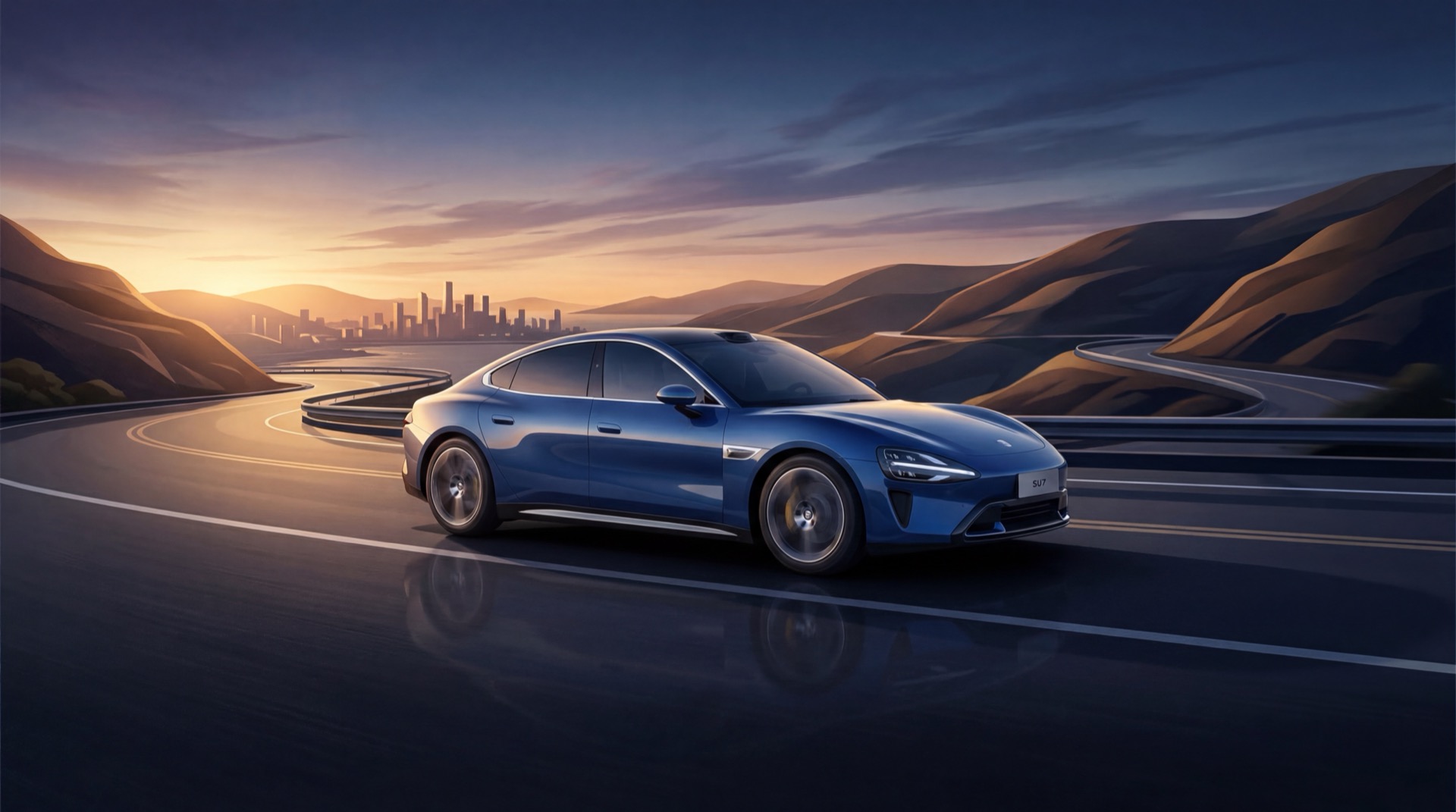
On March 16, Xiaomi founder Lei Jun announced on Weibo that the next‑generation Xiaomi SU7 will be unveiled at 19:00 on March 19. Xiaomi’s EV site has since updated the SU7 page with key specs, including a Pro‑trim CLTC‑rated range of 902 km, an all‑model silicon‑carbide (SiC) high‑voltage platform, and 2200 MPa ultra‑high‑strength steel across the lineup. The update marks a major refresh within roughly a year of the model’s market debut and signals Xiaomi’s push into China’s premium smart‑EV arena with a heavier focus on range, safety, and intelligent driving experience.
Official confirmation and launch timing
Lei Jun’s Weibo post set the official schedule for the next‑generation SU7 launch: March 19 at 19:00. Multiple Chinese outlets, including the Beijing News and IT之家, reported the announcement, and Xiaomi’s own EV website refreshed the SU7 product page in the days that followed. The alignment between the social‑media announcement and the updated spec page makes this a firm, company‑confirmed reveal rather than a rumor cycle, giving the market a clear countdown for the next step in Xiaomi’s car business. Xiaomi has also been building momentum with visuals such as Xiaomi’s New‑Generation SU7 Color Reveal Signals a Refresh Cycle Ahead of a March Debut.
Range and high‑voltage platform upgrades
The most prominent data point on the updated SU7 page is the Pro version’s CLTC‑rated range of 902 km. CLTC is China’s official passenger‑car test cycle, and ranges above 900 km are a clear statement of long‑distance positioning in the domestic market. Xiaomi also lists an SiC high‑voltage platform across the full lineup, which typically implies higher power efficiency and better energy conversion in high‑load conditions. Together, the range figure and the platform architecture point to a focus on endurance and charging performance—two of the top decision factors for Chinese EV buyers.
Safety and structural reinforcement
Another spec highlighted on the SU7 page and reported by regional media is the use of 2200 MPa ultra‑high‑strength steel across all variants, coupled with upgrades to body structure and safety protection. A 2200 MPa rating places the material among the strongest structural steels used in mass‑production vehicles, and making it standard across the lineup signals that safety is a core message for the refresh. In China’s competitive EV landscape, safety upgrades are not just engineering features but also a branding signal aimed at higher‑end consumers.
A rapid iteration within a year
While the SU7 launched only about a year ago, Xiaomi is already rolling out a substantial refresh that re‑emphasizes core pillars such as range, safety, and hardware platform upgrades. This pace mirrors the broader China EV market, where model iterations are faster and spec updates are more frequent than in traditional auto cycles. Xiaomi’s decision to present a “next‑generation” SU7 so soon suggests it is prioritizing rapid iteration to keep pace with domestic rivals and evolving consumer expectations.
Market pressure in China’s NEV boom
China’s new‑energy vehicle (NEV) market is expanding quickly, intensifying the competitive environment for every brand entering the segment. The China Association of Automobile Manufacturers (CAAM) reported February 2026 NEV sales at 765,000 units, with a market penetration rate of 42.4%. Those numbers underscore that nearly half of new passenger‑car sales in China are now NEVs, which raises the bar for range, safety, and intelligent features. Xiaomi’s decision to highlight a 902 km CLTC range and structural upgrades fits directly into this pressure to differentiate in a high‑volume, high‑expectation market.
Positioning for the premium smart‑EV segment
Xiaomi’s emphasis on long range and high‑strength structural materials is a signal that the next‑generation SU7 is positioned for buyers who demand premium specifications. In China, the premium smart‑EV segment is increasingly defined by a mix of endurance, safety assurances, and advanced electrical platforms, rather than design alone. By pushing these three hardware‑linked improvements—range, high‑voltage architecture, and high‑strength steel—Xiaomi is framing the SU7 refresh as a technology‑forward upgrade rather than a cosmetic facelift.
What to watch at the March 19 event
The March 19 event is expected to clarify the trim lineup, pricing strategy, and any further hardware or software upgrades beyond the headline specs already visible on the website. Earlier reporting suggested a March launch window and pricing band; see Xiaomi SU7 to launch in March, 229,900–309,900 yuan. The company has already disclosed the key pillars—range, platform, and structural materials—so the remaining questions will be about how those upgrades translate into real‑world value for buyers. In a market with intense price and performance competition, the gap between disclosed specs and final pricing can be the decisive factor in demand.
What changed, and what could happen next
What changed is now clear: Xiaomi has locked in the March 19 launch date and disclosed a Pro‑trim CLTC range of 902 km, an all‑model SiC high‑voltage platform, and 2200 MPa ultra‑high‑strength steel across the lineup. What happens next will depend on how aggressively Xiaomi prices the refreshed SU7 and how the broader China EV market responds. If the refresh delivers strong value relative to competitors, Xiaomi could solidify its foothold in the premium smart‑EV category; if not, the fast‑moving market may force another quick iteration.
Sources
- Xiaomi EV official SU7 page (specs): https://www.xiaomiev.com/su7
- Beijing News on Lei Jun’s Weibo announcement: https://www.bjnews.com.cn/detail/1773625672129546.html
- Zaobao on range and safety upgrades: https://www.zaobao.com.sg/news/china/story20260316-8742640
- IT之家 on launch timing: https://www.ithome.com/0/929/369.htm
- CAAM February NEV sales data (Sina Finance): https://finance.sina.com.cn/roll/2026-03-11/doc-inhqqyvt5592952.shtml